Own vs Lease: How to decide which makes more sense for your business heading into 2027
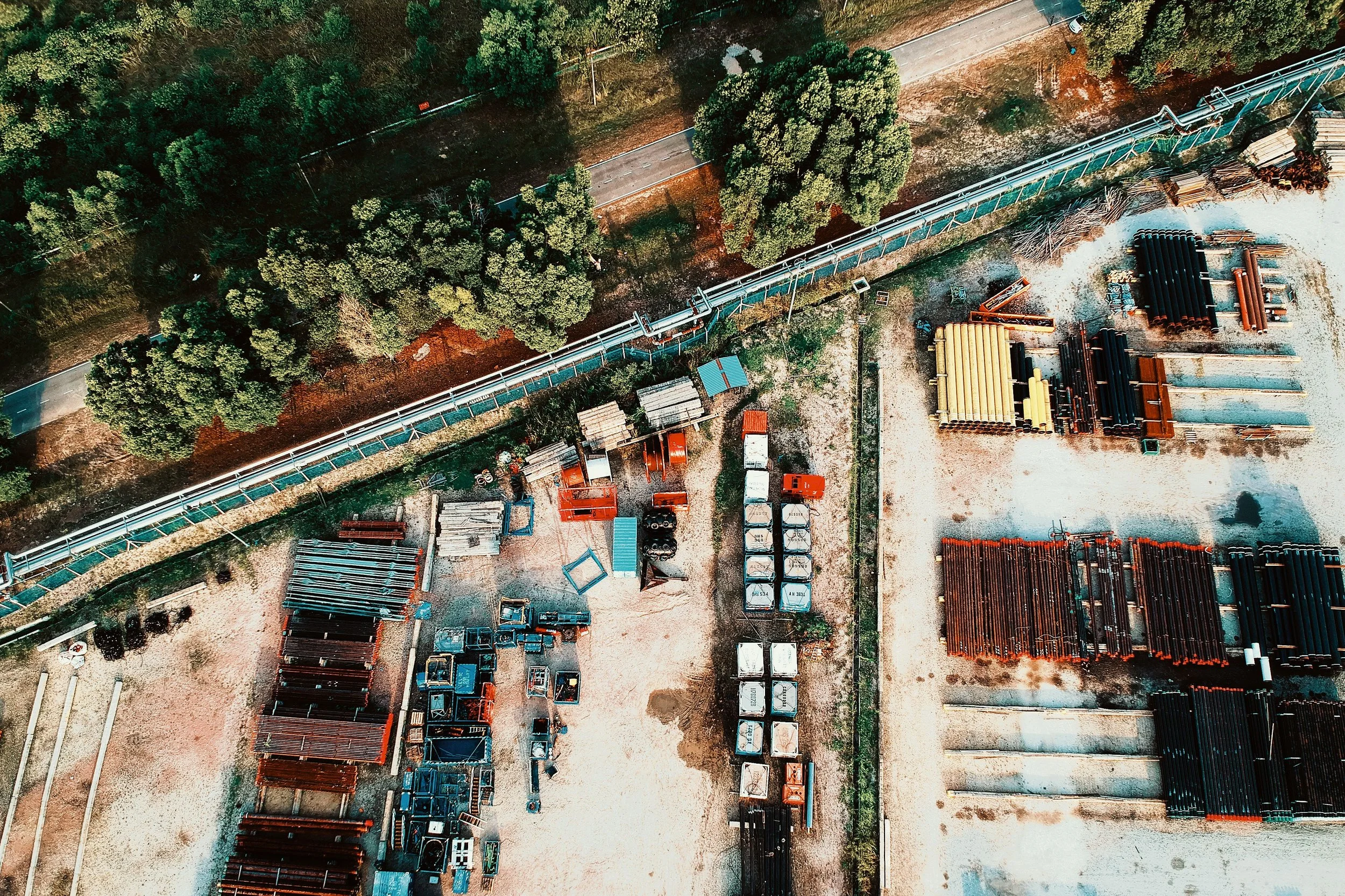
Every business owner who occupies commercial space eventually reaches a point where they start to question if they should be building equity, or whether the capital tied up in real estate would work harder somewhere else.
The own vs. lease question is one of the most challenging financial decisions a business owner has to make, and it comes down to which option is better for your specific business, at this specific moment, in this specific market.
Here's how to think through it.
The Case for Ownership
The most obvious argument for property ownership is equity. Every month builds a stake in an asset that appreciates over time, and in markets like the Mid-Atlantic where industrial and retail vacancy is near historic lows with constrained supply, that appreciation has been more meaningful than ever. Business owners who purchased their building five years ago not only secured their occupancy costs, but they also built equity in an asset that has appreciated significantly while competitors continued paying rent.
Ownership also provides stability that a lease structurally doesn’t offer. Landlords can decline to renew your lease, increase rent at renewal, or sell the building to someone whose plans don't include you as a tenant. Any one of those scenarios disrupts your business in ways that go beyond the real estate itself. When you own your space, these are variables that you won’t have to worry about. Occupancy costs are predictable, tenure is secure, and your business can plan around a fixed real estate expense rather than a negotiation that happens every few years.
There's also a tax argument worth understanding. Depreciation, mortgage interest, and property tax deductions can meaningfully reduce the after-tax cost of ownership compared to what the gross figures suggest. For profitable businesses generating significant taxable income, the tax efficiency of ownership can change the math substantially. This is a conversation worth having with your accountant before making the decision either way.
Finally, ownership creates an exit option that leasing doesn't. When the time comes to sell the business, the real estate can be sold separately, leased back to a new owner, or retained as an income-producing asset while the operating business changes hands. That optionality is extremely valuable, but it’s never available if you sign a lease instead of a purchase agreement.
When it Makes Sense to Lease
The primary reason businesses opt to lease is capital. Purchasing commercial real estate requires a down payment of 10 to 25 percent of the purchase price depending on the asset type and financing structure. For a $2 million building, that's $200,000 to $500,000 you need to bring to closing. Up and coming businesses that need money for personnel, equipment, inventory, or marketing may need to prioritize growth first before they can think about building equity.
Leasing also preserves flexibility in a way that ownership fundamentally cannot. Signing a five-year lease on a building means a five-year obligation, but purchasing that building is a much larger commitment. If the business outgrows the space, moves into a different market, or needs to pivot its operations, getting out of an owned property is far more complex and time-consuming than exiting a lease.
One aspect that can’t be overlooked is the responsibility of property management. Owning commercial real estate means you’re always going to be held accountable for ongoing maintenance like roof replacements, HVAC systems, and more. For a business owner whose attention and energy are best directed at their core business, becoming a landlord is a time-consuming responsibility that eats away as time and focus.
Under certain market conditions, leasing can simply be a smarter financial move. When cap rates are compressed and purchase prices are high relative to rents, the numbers can make ownership less compelling. If you can lease comparable space at a cost that's meaningfully lower than your ownership costs would be, the capital preserved by leasing can generate better returns used elsewhere in the business.
Questions to Help You Decide
How stable is your space requirement? If you know with reasonable confidence what size and configuration your business needs for the next five to ten years, ownership starts to make more sense. If your space needs are likely to change significantly because you're growing rapidly, entering new markets, or are uncertain about your operational direction, leasing preserves the flexibility to respond to those changes.
How much capital can you commit without constraint? A down payment that leaves the business undercapitalized is a poor trade regardless of how good the real estate is. The business has to remain viable and funded after the purchase, or the real estate decision undermines the operating decision.
What does the lease vs. own math look like in your specific market? This requires calculating the purchase price of a building that meets your needs, total occupancy costs including mortgage, taxes, insurance, and maintenance, and how that compares to what you'd pay to lease comparable space. In some markets and asset classes, the math strongly favors one option, but it’s crucial to understand the specifics for your situation.
What is the investment outlook on the real estate itself? If you're buying in a submarket with strong demand, limited supply, and rising rents, the real estate investment is compelling independent of the business occupying it. Conversely, if you're buying in a submarket with softening demand and new incoming supply, the investment outlook is weaker and the case for ownership is harder to make purely on financial grounds.
What does your exit look like? Whether you're planning to sell the business in five years or hold it indefinitely, think through what you want to happen to the real estate when that transition comes.
What the Market Looks Like Heading Into 2027
If this decision is something that you’re actively evaluating right now the market context is relevant.
Industrial vacancy is still at near historic lows in established corridors, and new supply is constrained by high construction costs and limited land. This supports values for existing assets, but it also means purchase prices reflect a market that has already absorbed years of appreciation. The ownership case is still strong for businesses with a long-term horizon and stable space requirements, but the entry price is much higher than it was just a few years ago.
Rates are elevated compared to the historic lows of 2020 and 2021, but the dramatic volatility of 2023 and 2024 has settled. SBA 504 financing allows eligible owner-users to purchase commercial real estate with as little as 10 percent down, and remains one of the most accessible financing structures for small and mid-sized business owners that lenders are actively quoting.
Lease rates in strong submarkets have also risen, which changes the comparative math in favor of ownership in markets where rents have moved faster than purchase prices. In some corridors, the monthly cost of ownership is closer to the monthly cost of leasing than it has been in years, making the equity argument more compelling on a cash flow basis.
At the end of the day, the only right answer to the own vs. lease question is what makes the most sense for your business, your capital position, your market, and your time horizon.
What I consistently see is that business owners who make this decision well are the ones who run the numbers, think honestly about their space requirements and flexibility needs, and get advice from people who understand both the real estate market and the business implications.

Matthew Antonis
Matthew Antonis is a leading figure in the DMV market, recognized for his specialized expertise in Industrial Property and unwavering dedication to client success. His career is defined by high-impact transactions and a data-driven approach that consistently sets new benchmarks in the region.
Matthew made his mark immediately with a monumental debut transaction: securing 161,792 square feet across 11.73 acres, encompassing 14 buildings for $15.2 million. This early success set the tone for a career characterized by lucrative deals and repeat clientele who trust his deep knowledge of the industrial sector.