Why September Is the Most Important Month for Your Commercial Real Estate Site Search
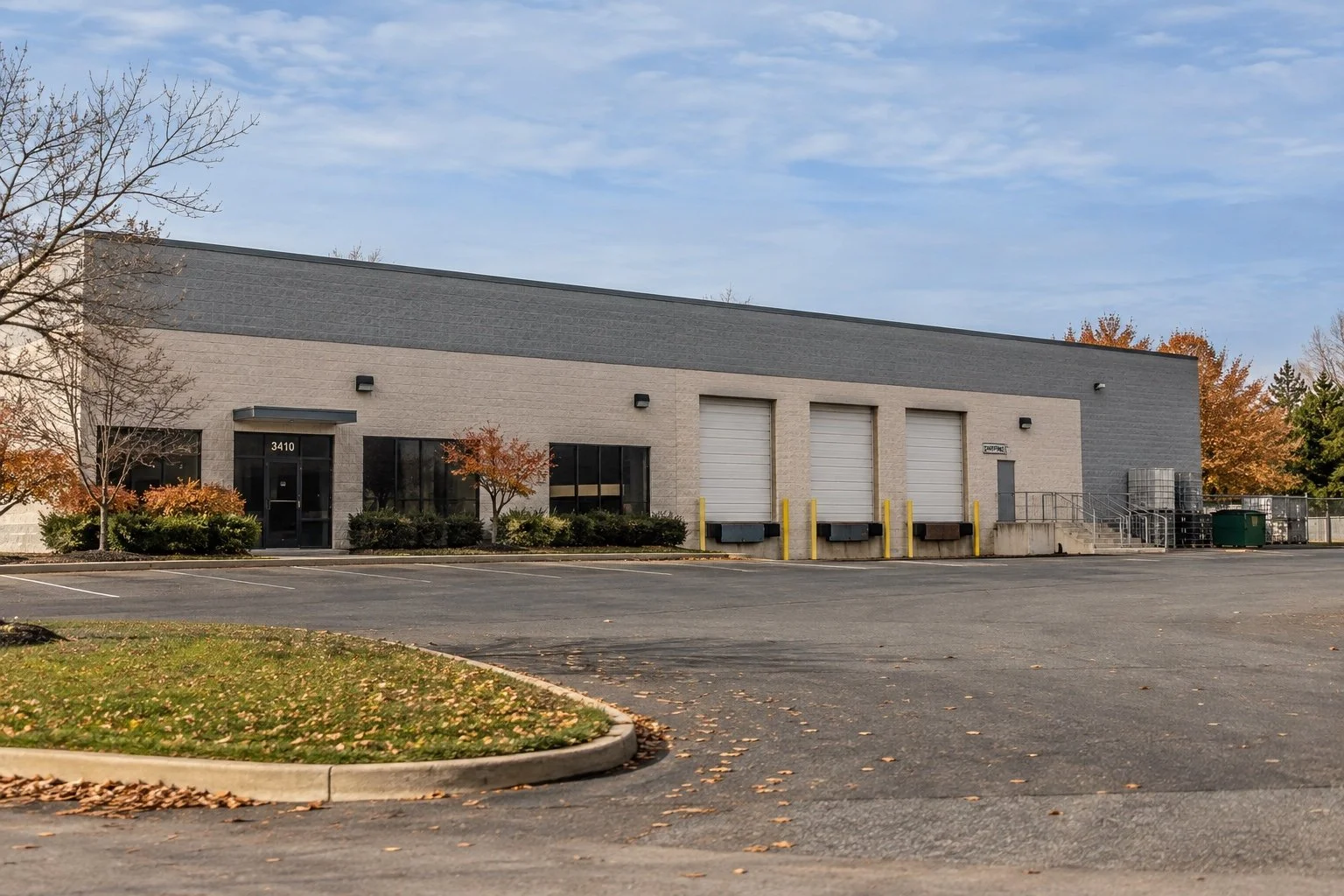
Businesses typically start looking for a new space when their lease is expiring, their current space no longer fits, or they have a landlord who won't negotiate. By that point, they’re site searching under a deadline, and rushed decisions in commercial real estate consistently produce less favorable outcomes than deliberate ones.
Landing a better space, negotiating better terms, and closing with less stress all starts with starting that search earlier than what feels necessary.
From what I’ve seen in the past, September is the time to start looking if you need to be moved into a new space by the end of the year. Here's why this month matters more than tenants and buyers realize, and what can happen to your options when you wait.
The Timelines People Ignore Until It's Too Late
A typical commercial real estate transaction from initial site search to signed lease or closed purchase takes anywhere from 60 to 120 days under normal conditions. That assumes no significant delays on inspections, attorney review, zoning confirmation, financing, or landlord approvals. Add any one of those complications and the desired closing date gets pushed back further and further.
Another variable to consider is that a lot of people start traveling and taking vacations in the last two weeks of the year, and this is when deals can come to a halt. With that in mind, the ideal time to close would be mid-December at the latest.
If you need to be operational by January 1, working backward from a 90-day transaction timeline puts your start date in late September at the absolute latest. If you want a buffer for complications you should be touring properties and making decisions in early-mid September.
Options Dwindle the Longer You Wait
The assumption I hear from a lot of operators is that the options available in October are roughly the same as the options available in September, but this isn’t true.
The best spaces get absorbed first. Properties with the right configuration, location, and lease terms get identified and secured by tenants and buyers who move earlier in the cycle. Serious occupiers and investors already evaluated and passed on what’s still available in October.
Leverage shifts when the other side senses urgency. This dynamic costs tenants and buyers the most money, but it's not always visible until after the lease is signed. A landlord negotiating with a tenant who has genuine alternatives and no hard deadline approaches the conversation differently than one negotiating with a tenant who needs to be in by January and has already passed on two other options.
Every step of the process gets compressed. Mistakes can easily happen when steps get rushed, and oftentimes these mistakes are expensive and difficult to reverse. Things like a missed clause in a lease, a condition not caught in due diligence, a financing term accepted under pressure create problems months after closing, long after the urgency that caused them has been forgotten.
Your fallback disappears. This is perhaps the most underappreciated consequence of starting late. If you're in September and your first choice falls through, you have time to recover because the market still has inventory and you can regroup. But it can become a crisis if it’s November and your first choice falls through and you have to start over with six weeks left.
Why September Specifically
September sits at the intersection of several forces that make it the most productive month to be actively searching.
The summer slowdown ends. Decision-makers who were less available during the summer are back at their desks and moving. Landlords are now aware that the end of the year is approaching and are more motivated to fill vacancies before year-end. That motivation results in a willingness to negotiate that can be harder to find at other times of year.
Budget cycles create urgency on both sides of the table. Companies operating on calendar-year budgets need to have their real estate decisions made and documented before year-end planning is cemented. That urgency expedites conversations in September in ways that summer doesn't.
Fall transaction volume historically increases. The commercial real estate market has a well-documented seasonal rhythm, and September through November is consistently one of the most active transaction periods of the year. Being in the market during that window gives you access to inventory and momentum that doesn't exist other times of the year.
The Opportunity Cost of Waiting
The biggest risk you take by waiting is a poor outcome like the wrong space, a rushed decision, or an unfavorable lease. But there’s also the opportunity cost of missing out on a wider selection of properties available in September. Businesses starting their site search in September don't just avoid the risks of starting in October, they access opportunities that late buyers and tenants never see.
They also have time to negotiate tenant terms like an improvement allowance, a favorable renewal option, or a rent abatement period that a rushed deal never produces. Essentially creating a fundamentally better version of the same transaction.
The Bottom Line
The smartest commercial real estate decisions are made from a position of patience, options, and time. September is the time when that positioning window is still open, but slowly starts to close heading into October.
If you're thinking about relocating your business, expanding into a new space, acquiring a property before year-end, it’s important to ask yourself if you can afford to wait until your timeline fully dictates your decision.

Matthew Antonis
Matthew Antonis is a leading figure in the DMV market, recognized for his specialized expertise in Industrial Property and unwavering dedication to client success. His career is defined by high-impact transactions and a data-driven approach that consistently sets new benchmarks in the region.
Matthew made his mark immediately with a monumental debut transaction: securing 161,792 square feet across 11.73 acres, encompassing 14 buildings for $15.2 million. This early success set the tone for a career characterized by lucrative deals and repeat clientele who trust his deep knowledge of the industrial sector.